Boat Bollard Casting: From Drawing to Finished Deck Fitting
A boat bollard gives a mooring line a defined point of attachment on the deck. Choosing the fitting involves more than comparing its overall length or polished appearance. The post shape, rope clearance, base footprint and fixing arrangement must work together with the vessel’s mooring layout. This CastingFoundries guide explains the information to review when sourcing a cast stainless steel bollard and preparing a production enquiry.
Compare the Bollard Configuration
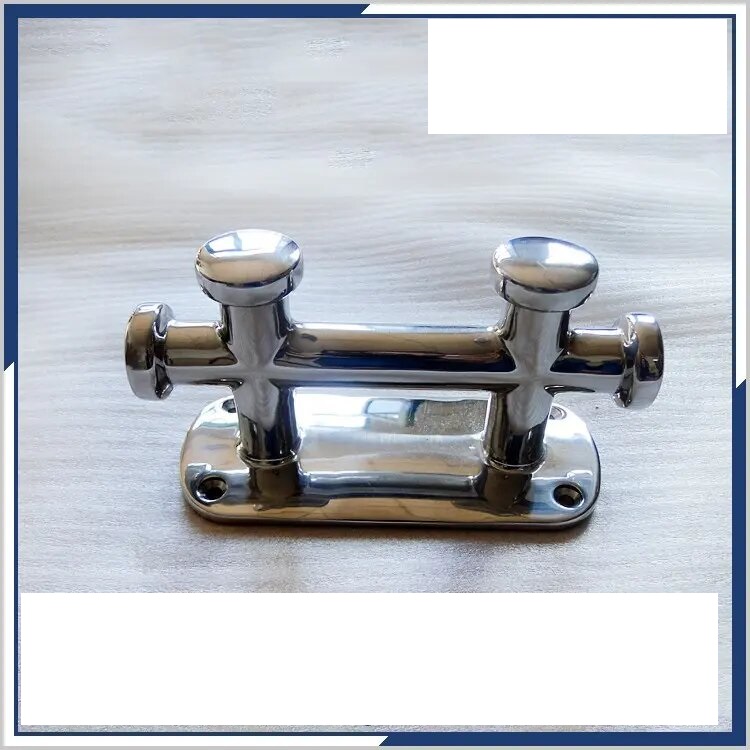
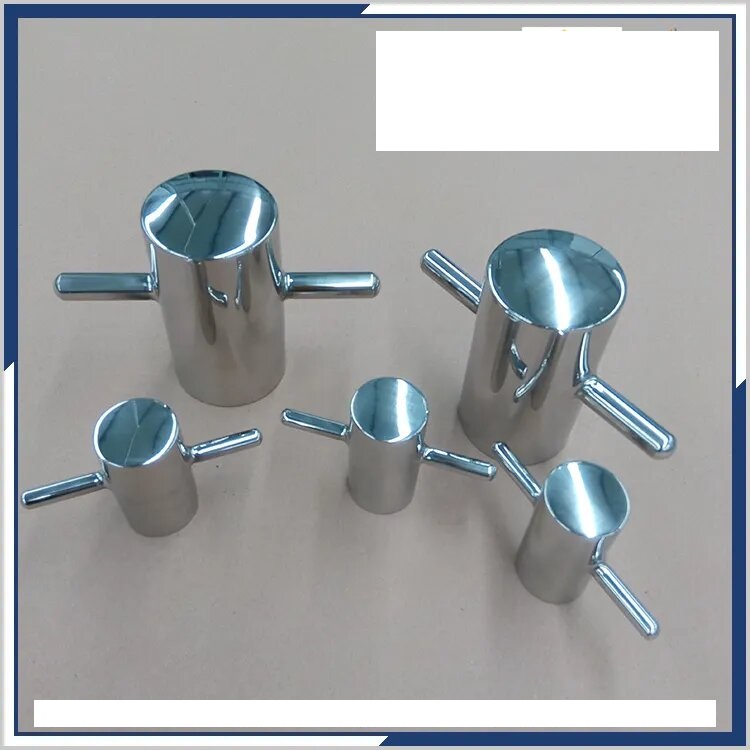
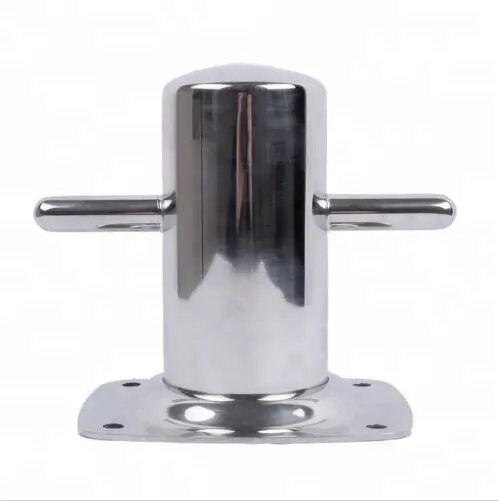
The products in this category include single and double cross-bollard configurations. Compare the height and spacing of the posts, the crossbar shape and the available room for the intended line. A drawing should show the base dimensions and fixing centres as well as the visible profile. Similar-looking fittings can have different mounting requirements, so a photograph alone is insufficient for confirming interchangeability.
Use the linked product pages to identify the closest configuration before requesting a quotation. If the project needs a different base, post height or external profile, include those changes on a marked drawing. Separating the standard features from the requested modifications helps establish which tooling and finishing operations need review.
Define Material and Surface Requirements
Several listed bollards specify stainless steel 316 and a polished finish. Keep the required alloy designation explicit in the enquiry and agree the material documentation needed for the order. A polished surface describes appearance; it does not establish the alloy, the internal condition of the casting or the fitting’s suitability for a particular load.
For visible deck hardware, specify the surfaces that require polishing and any areas where machining marks are acceptable. An approved sample can provide a practical reference for appearance. Also identify edges and rope-contact areas requiring careful finishing, rather than relying only on a general description such as mirror polish.
Plan Casting and Secondary Operations Together
When reviewing the component with an investment casting foundry, distinguish the cast shape from features finished after casting. Mounting holes, threads and seating faces may need secondary operations according to the drawing. Record the critical dimensions and inspection references so the casting, machining and finishing requirements can be reviewed as one production plan.
The mounting design must be assessed as part of the complete installation. Fasteners, backing arrangements and the supporting deck structure are outside the information conveyed by a product image. Obtain the required engineering assessment and documented rating for the intended application; the words heavy duty or marine hardware are not a substitute for a stated, verified capacity.
Prepare a Clear Production Enquiry
- Identify the product configuration and attach the current drawing revision.
- Specify the stainless steel grade and required material records.
- Mark mounting dimensions, critical tolerances and rope-contact surfaces.
- Describe the finish and provide an appearance reference where available.
- State sample quantity, production quantity and requested delivery schedule.
- List the inspection, identification and packing requirements for acceptance.
Discuss sample approval before agreeing repeat production. Review dimensions, assembly fit and the requested finish against the same drawing used for the quotation. Keeping this reference consistent reduces ambiguity when the order moves from sample review to production inspection.
Contact CastingFoundries with the selected boat bollard and your project requirements. Include the intended configuration, material, quantity and supporting drawings so the quotation can address the actual component rather than an approximate visual match.