Boat Hook Components: Selecting the Head, Connection and Finish
Start with the Intended Configuration
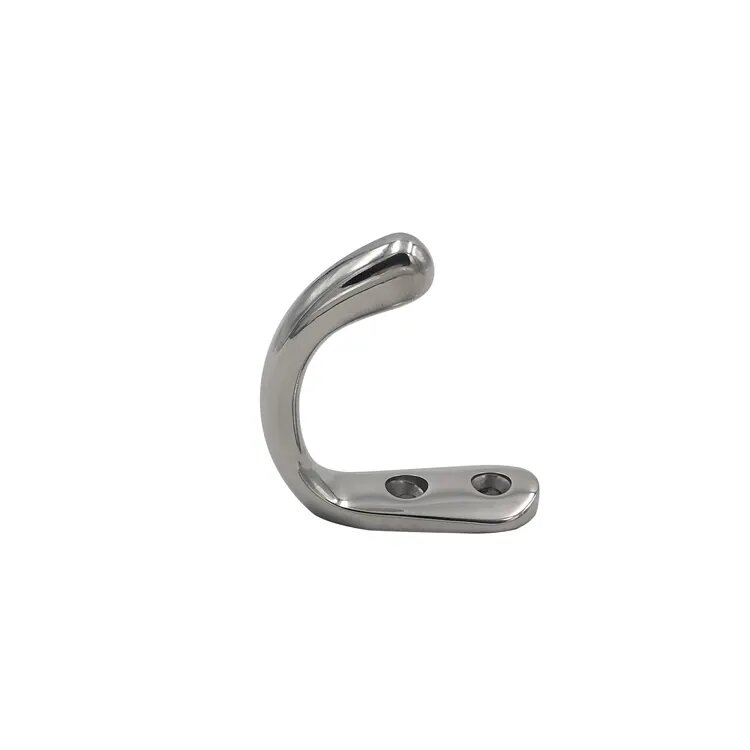
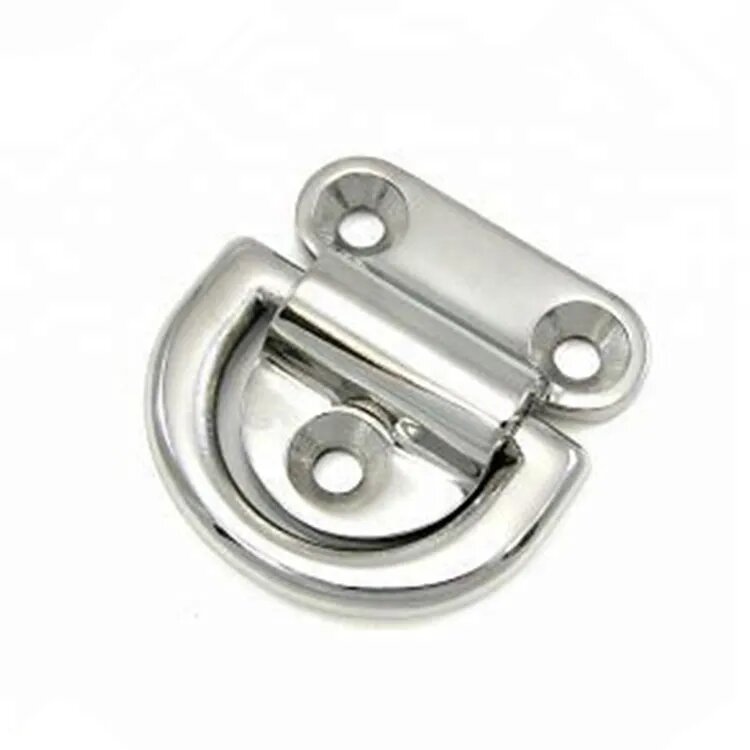
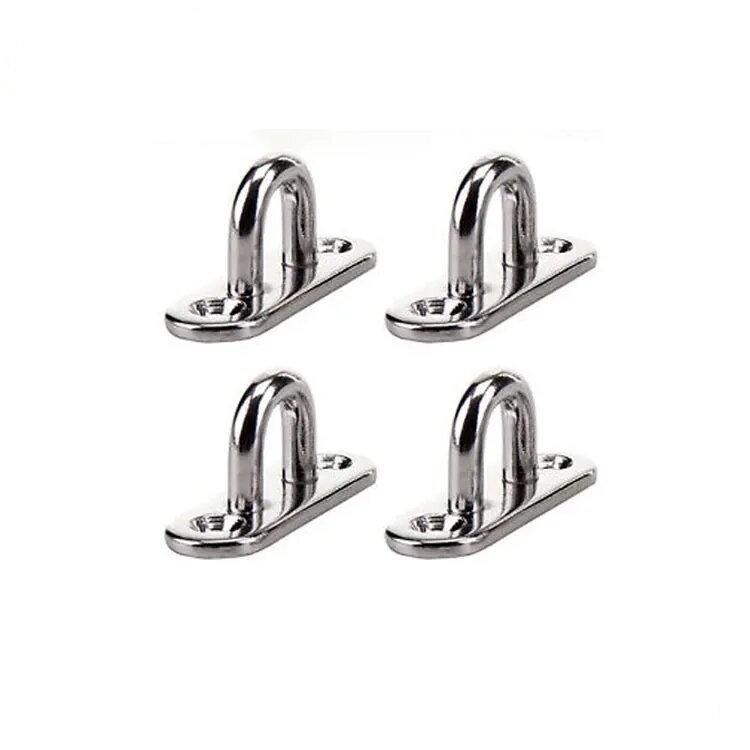
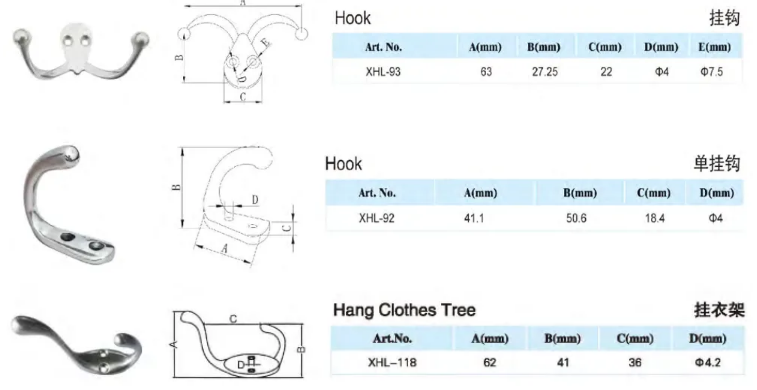
A boat hook brings the head, pole and connecting joint together as one handling tool. The components in this category should therefore be compared by their connection dimensions as well as the visible hook profile. For a CastingFoundries enquiry, identify whether you need a head component, a connecting part or a complete assembly. A photograph can help identify the style, but a dimensioned drawing is the clearer reference for a replacement or custom component.
Check the Interface and Contact Surfaces
Record the connection type, insertion length and relevant diameters from the approved design. If a threaded connection is required, state the thread specification rather than only the nominal outside diameter. Describe the surfaces that contact the pole and the areas requiring a smooth finish. These details help distinguish the cast form from features that need machining or finishing before assembly.
Agree Material and Sample Requirements
Use the material stated on the selected product page as a starting point, then confirm the grade required for your order. Do not assume that similar-looking finishes indicate the same material. When reviewing samples, compare the head profile, joint fit and specified finish against the same drawing revision. Include any identification or appearance requirements needed to distinguish the component in your own product range.
Prepare the Casting Enquiry
Send CastingFoundries the selected boat hook configuration, drawing, material requirement and quantity. Identify any mating components that must be considered during the review. State whether the quotation is for a cast component or a finished assembly, and list the inspection records and packing requirements you expect. Clarifying these points before sample production helps keep the supplied item consistent with the intended design.
Send your enquiry to CastingFoundries.